 Edinburgh Office Cleaning
Post-Renovation Office Cleaning in Edinburgh
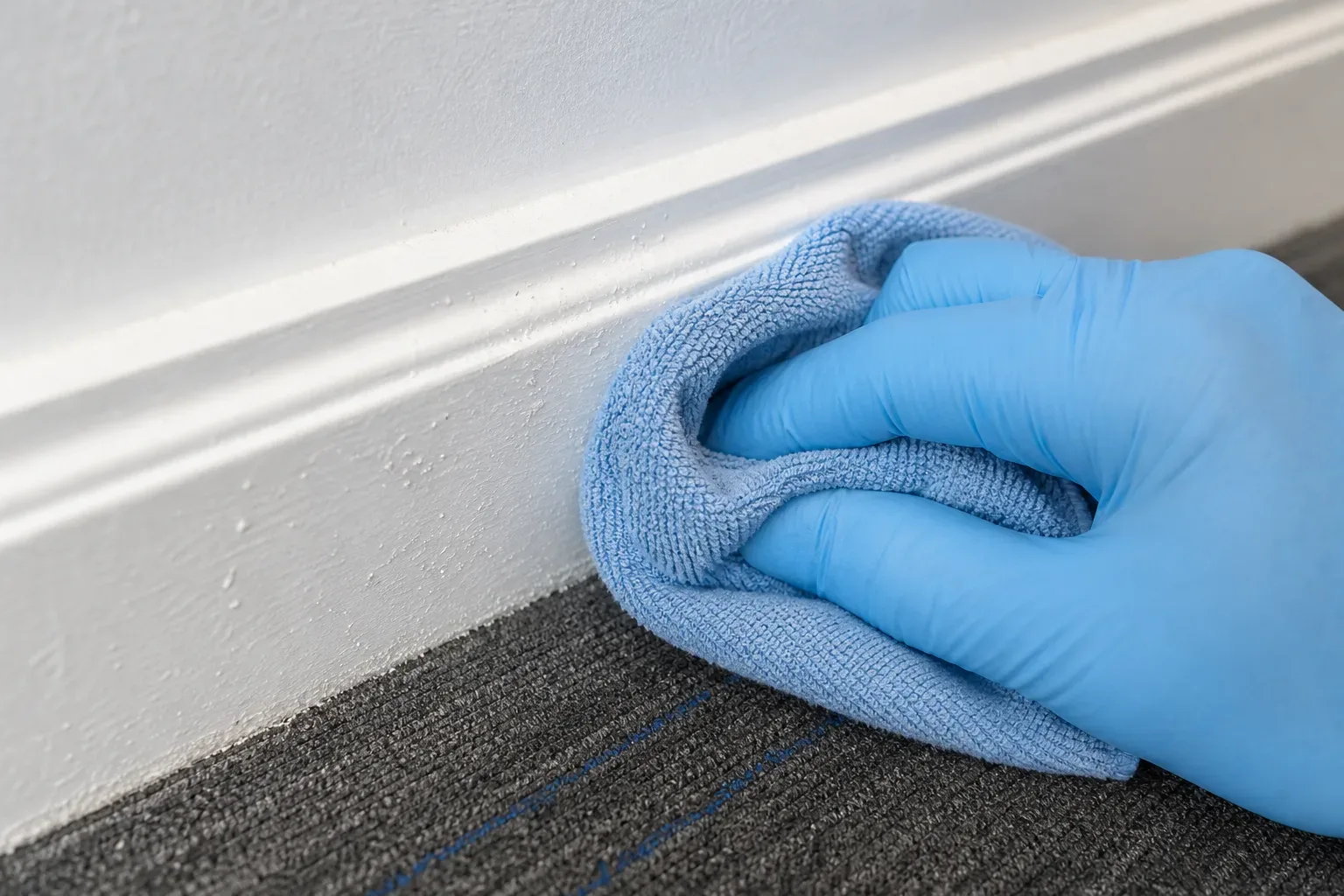
Builders leave behind more than a finished space. Dust from plaster and plasterboard settles into ventilation grilles, adhesive residue clings to hard floors, and paint flecks coat skirting boards in rooms that look, at first glance, complete. A post-renovation office clean is the step between a contractor handing over the keys and your staff actually being able to use the space safely and comfortably.
What a Builders-Clean Actually Involves
A standard janitorial wipe-down does not remove construction residue. Post-renovation cleaning is a structured, multi-phase process that works from ceiling to floor, treating each surface type differently depending on what has been applied to it.
Phase One - Bulk Debris Removal
The first phase clears rubble, off-cuts, packaging, and trade waste that the building crew has not removed. Cleaning operatives sweep, vacuum with HEPA-filtered equipment, and bag material for disposal. HEPA filtration matters here because fine silica and gypsum dust particles become airborne again the moment a standard vacuum runs over them.
Phase Two - Detail Cleaning of Surfaces
Window frames, sills, and glazing are wiped free of paint splatter and silicone smear. Light fittings, smoke detectors, and ventilation covers are cleared of plaster dust, which can otherwise trigger false alarms or block airflow. Hard floors receive a wet-clean with appropriate products depending on whether the surface is LVT, tile, concrete, or timber.
Phase Three - Sanitisation and Final Inspection
Workstations, kitchenettes, and WC facilities installed or refurbished during the project are sanitised before use. A final walk-through checks for missed adhesive residue, grout haze on tiled areas, and any remaining protective film on glass or steel fixtures. Only then is the space signed off as occupancy-ready.
Why Standard Deep Cleaning Is Not Enough
Construction dust behaves differently from the grime that accumulates in an occupied office. It is abrasive. If it is dragged across a new LVT floor with a standard mop, it scratches the surface before the first employee walks in. Specialist post-renovation cleaning uses dry methods first, then wet methods, in a deliberate sequence that protects new finishes rather than damaging them.
All cleaning products used are COSHH-compliant, which is particularly relevant when new materials such as MDF, adhesives, or coatings are still off-gassing in a recently sealed building. Introducing solvent-based products without checking compatibility with fresh surfaces can cause staining or chemical reactions that void manufacturer warranties on flooring and joinery.

Pricing for Post-Renovation Office Cleaning in Edinburgh
Post-renovation cleans are priced as one-off fixed-price jobs rather than on an hourly contracted rate. For small to medium Edinburgh offices, expect to pay in the range of £200–£600 per visit for a standard deep clean scope. Larger commercial refurbishments, or spaces involving specialist environments such as IT suites or laboratory areas, are quoted individually and typically carry a 20–40% premium above standard rates to reflect the additional care, compliance requirements, and product selection involved.
If access is only available outside business hours, an out-of-hours surcharge of 10–20% applies on top of the base rate. Many post-renovation handovers happen on evenings or weekends, so this is worth factoring into your project budget from the outset rather than treating it as a surprise line item.
Carpet or upholstery cleaning in zones affected by construction dust is priced separately at £50–£150 per zone, and can be bundled into the overall post-renovation scope.
How Quickly Can a Post-Renovation Clean Be Scheduled
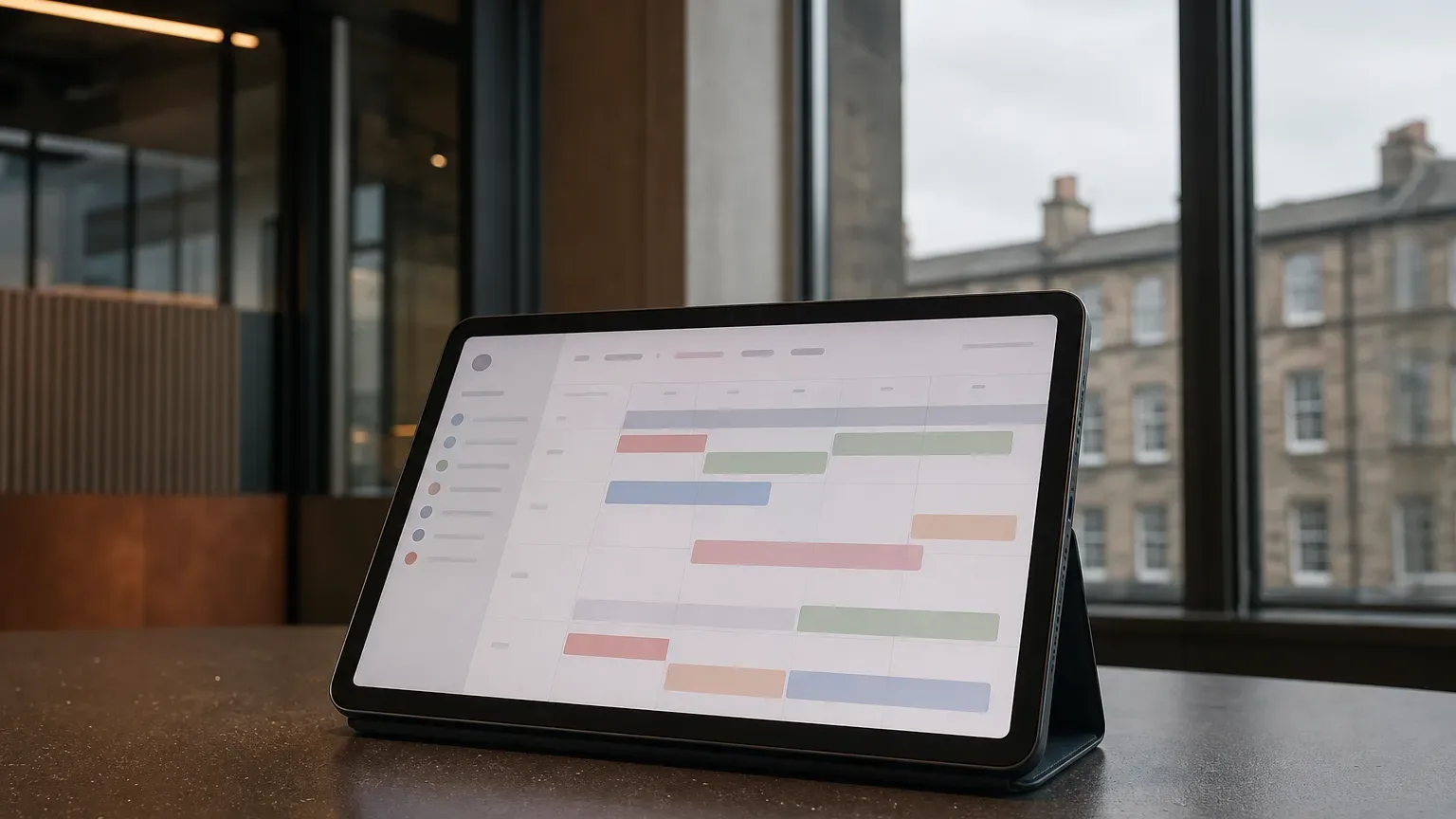
A quote is returned within 24 hours of your enquiry, and scheduling is arranged around your contractor handover date. Renovation projects regularly overrun, so the ability to book flexibly rather than committing to a fixed date weeks in advance is worth confirming with your cleaning provider before you sign anything.
For Edinburgh businesses with hard move-in deadlines, communicating the target occupancy date at the point of enquiry allows the cleaning team to hold capacity provisionally while your build reaches practical completion.
What to Have Ready Before the Clean Begins
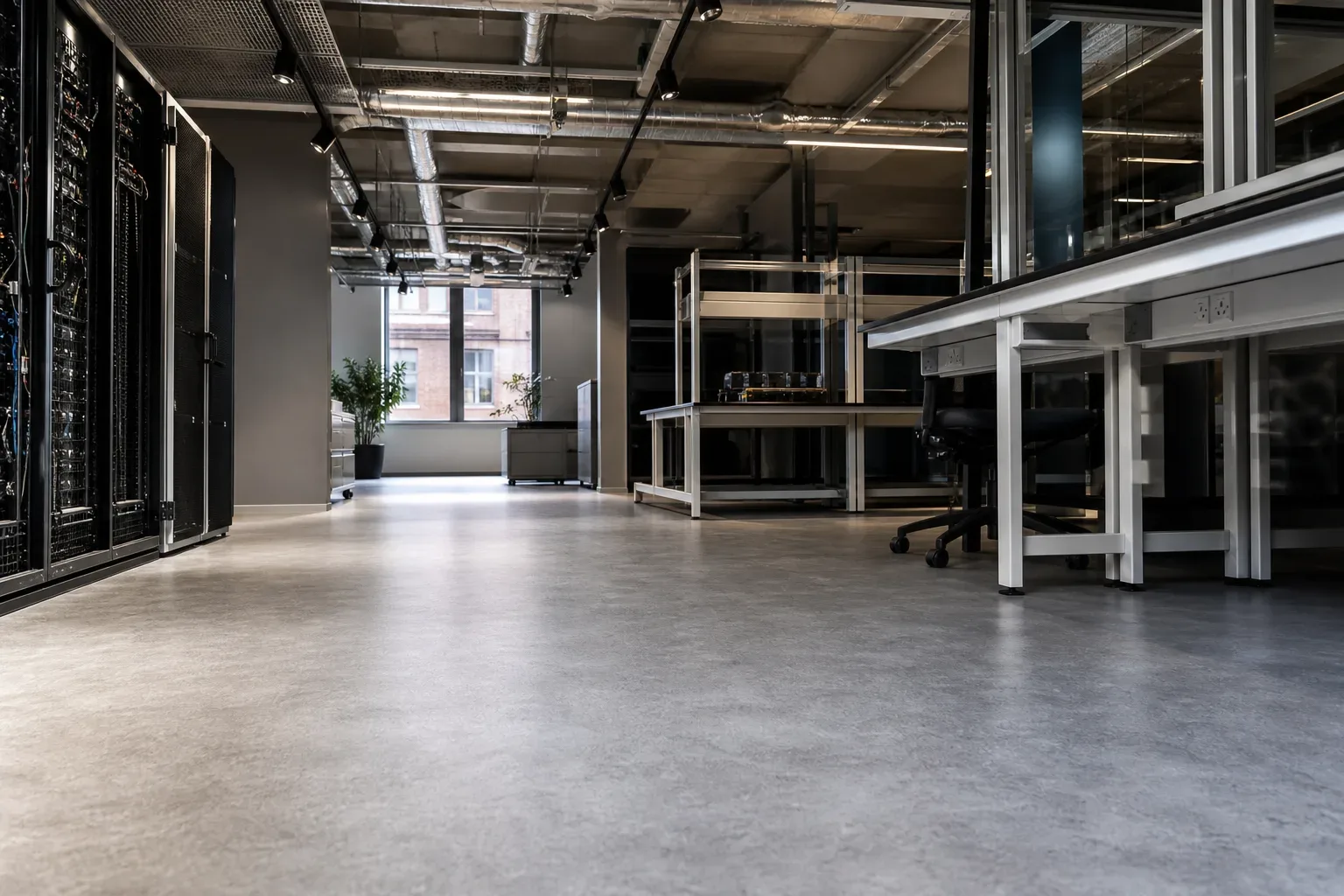
A brief from you at the start saves time on the day. Useful information includes the total floor area in square metres, the floor finishes installed, whether any specialist equipment such as server racks or laboratory benching is in place, and whether any areas are still under contractor access during the cleaning window.
If protective sheeting or boarding is still in place over flooring, confirm with your main contractor whether this is to be removed before or after the clean begins. Lifting boards exposes accumulated dust, so the sequencing of that task affects how much re-cleaning is needed.
Ongoing Cleaning After the Renovation
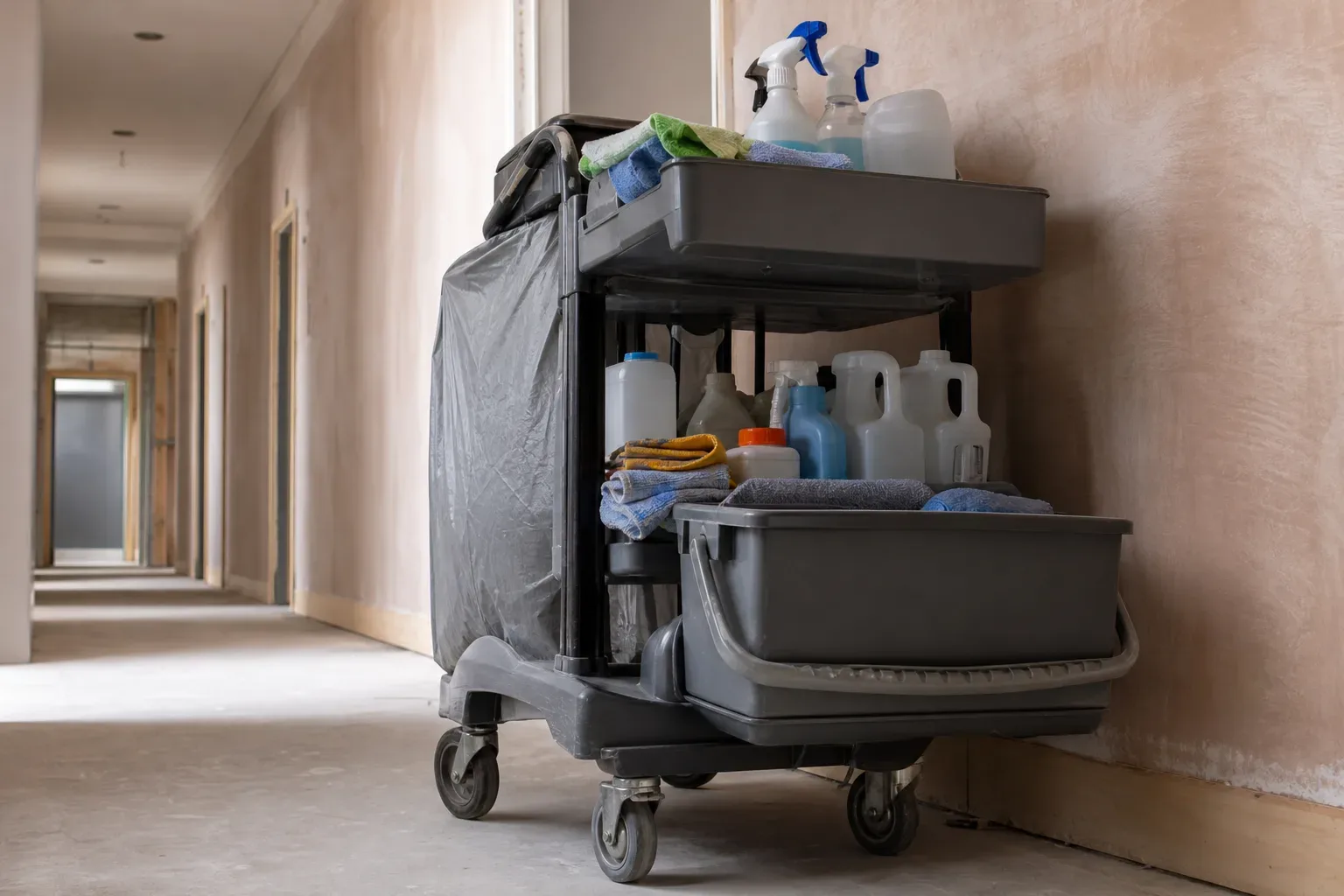
A post-renovation clean returns a space to a baseline from which contracted cleaning can maintain it. Many Edinburgh businesses schedule their first contracted cleaning service to begin in the week following the builders-clean, establishing a regular cadence before the office is in full use.
Contracted cleaning services are priced at £15–£25 per hour depending on frequency and office size. Standard contracts run on 30 days written notice, giving flexibility if your space changes size or use following the refurbishment. Over 85% of clients on contracted services renew annually, which reflects the difference a consistent, trained cleaning operative makes compared to ad hoc arrangements.
If environmental credentials matter to your organisation, ISO 14001-certified cleaning operatives are available, and biodegradable, non-toxic products are used as standard on eco contracts. Plastic-free or reusable packaging options are available on request.
Choosing a Post-Renovation Cleaning Company in Edinburgh
The Edinburgh and Lothians market has no shortage of cleaning companies, but post-renovation work demands specific experience. Ask any provider whether their operatives have carried out builders-cleans in commercial settings before, what extraction equipment they use for fine dust, and whether they carry a minimum of £5 million public liability insurance. That last point is non-negotiable when you are handing over a recently refurbished space with new fixtures, fittings, and flooring.
All operatives should be PVG-checked or Disclosure Scotland-cleared as a baseline staffing standard. For offices in regulated sectors such as healthcare or education, this vetting is especially important given the environments being cleaned.
Request a site visit or detailed scope of works before accepting any quote. A provider who quotes without seeing the space, or asks only for a rough square footage, is unlikely to deliver the structured, phase-by-phase clean that a post-renovation handover requires. Get in touch today to arrange a site assessment and receive your quote within 24 hours.
Frequently Asked Questions
How Long Does a Post-renovation Office Clean Take?
Duration depends on the size of the space and the volume of construction residue left behind. A small Edinburgh office unit of around 500–800 sq ft typically takes 4–6 hours for a full builders-clean. Larger commercial floors or spaces with specialist environments such as IT suites or tiled wet rooms will take longer and are assessed individually during a site visit or detailed scope review.
Can You Clean a Space While Contractors Are Still on Site?
In most cases, it is more effective to begin the builders-clean once contractors have fully vacated, as ongoing trade activity generates fresh dust and debris that undoes completed cleaning work. If a phased handover is planned, with separate zones released at different times, cleaning can be sequenced zone by zone. Confirm the access plan with your main contractor before booking so the cleaning scope can be structured accordingly.
What Floor Types Can You Clean After a Renovation?
Post-renovation cleaning covers LVT, ceramic and porcelain tile, polished concrete, timber, carpet, and resin floors. Each surface type requires a different first-stage approach: dry extraction before any wet method is applied to prevent abrasive dust from scratching new finishes. The cleaning team will confirm the correct product and method for each zone before starting.
Is Post-renovation Cleaning Different from a Standard Office Deep Clean?
Yes. A standard deep clean addresses accumulated grime in an occupied office. Post-renovation cleaning targets construction-specific residues including plaster dust, adhesive overspill, grout haze, paint splatter, silicone smear, and protective film. It follows a ceiling-to-floor sequence using HEPA-filtered extraction equipment and COSHH-compliant products selected for compatibility with new and recently cured building materials.
Do You Provide a Certificate or Sign-off After the Clean?
A final walkthrough inspection is conducted at the end of the post-renovation clean to confirm that all areas meet the agreed scope before the space is signed off as occupancy-ready. If your project requires formal documentation for landlord handover or fit-out compliance purposes, raise this at the point of enquiry so the team can confirm what records can be provided alongside the completed clean.